Investment that connects with nature
Investing in Chilean Patagonia
Patagonia is a vast geographic region at the southern tip of South America, shared by Argentina and Chile. Recognized worldwide for its immensity and untamed beauty, it is a territory that surprises with its diversity of landscapes, ecosystems and cultures.
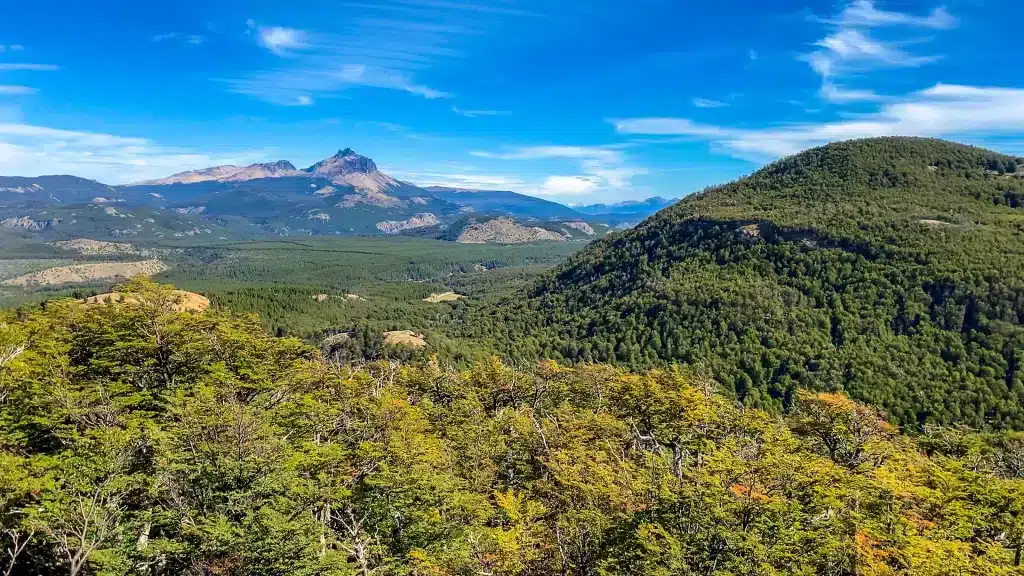
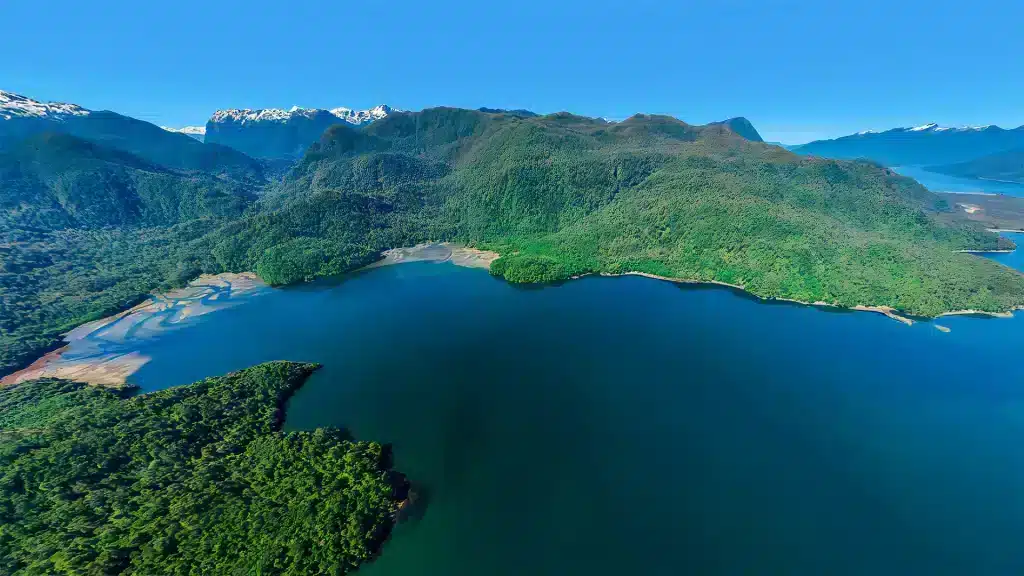
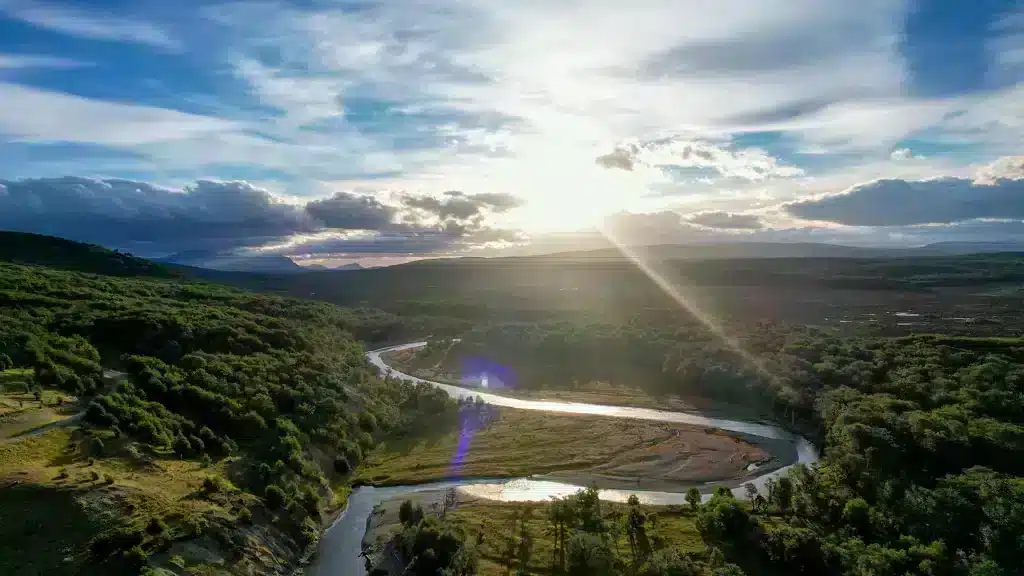
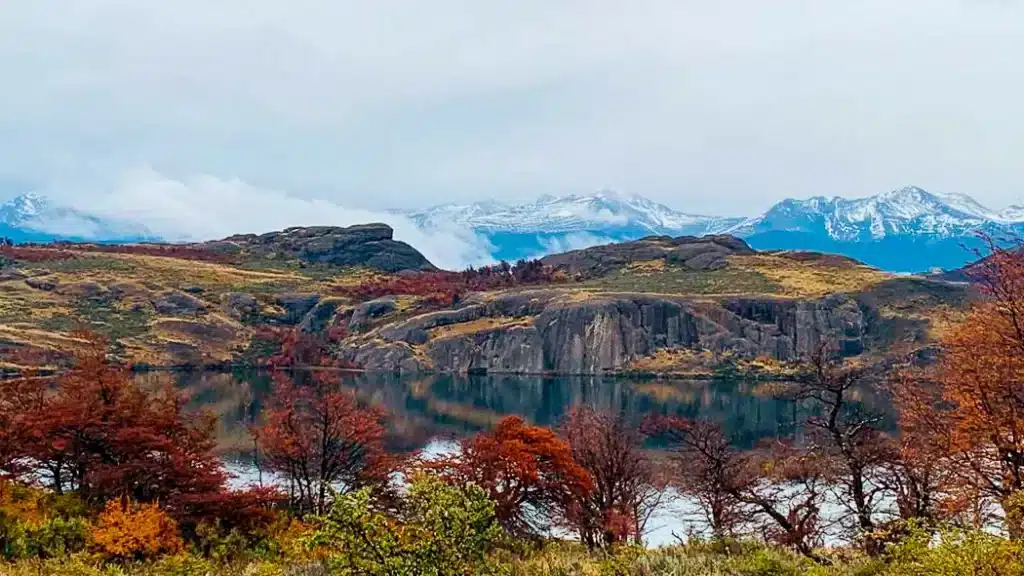
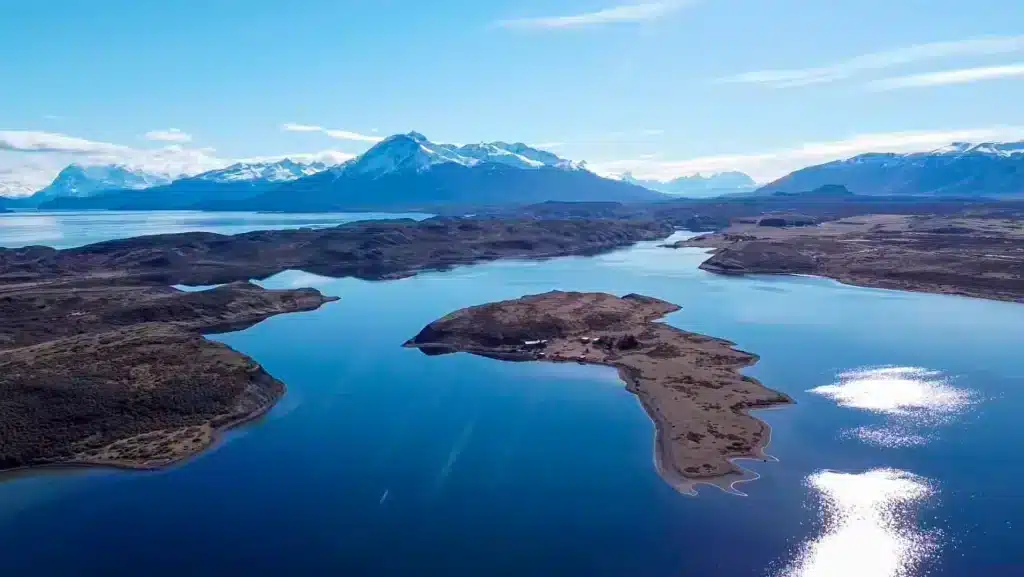
Chilean Patagonia stretches from the Los Lagos Region to Magallanes, unfolding a mosaic of unique settings: snow-capped mountain ranges, ancient forests that seem to guard age-old secrets, imposing glaciers, endless ice fields, deep fjords, open grasslands and crystal-clear waters. Its lands, fragmented by fjords, islands and channels, are born from the clash between the Andes and the sea, which meet here in majestic fashion before giving way to the vast Patagonian pampa.
The isolation of these lands, with harsh climates and low temperatures, has given rise to a sparse but deeply territory-connected population. Gaucho traditions and settler customs still survive today among those who learned to live at the continent's edge, where resilience is part of daily life.
The biodiversity of Chilean Patagonia is another of its treasures: humid forests that host unique species such as the huemul, a national symbol; the majestic condor that soars the skies; and the puma, stealthy guardian of the steppe. Every corner holds wildlife found nowhere else on Earth.
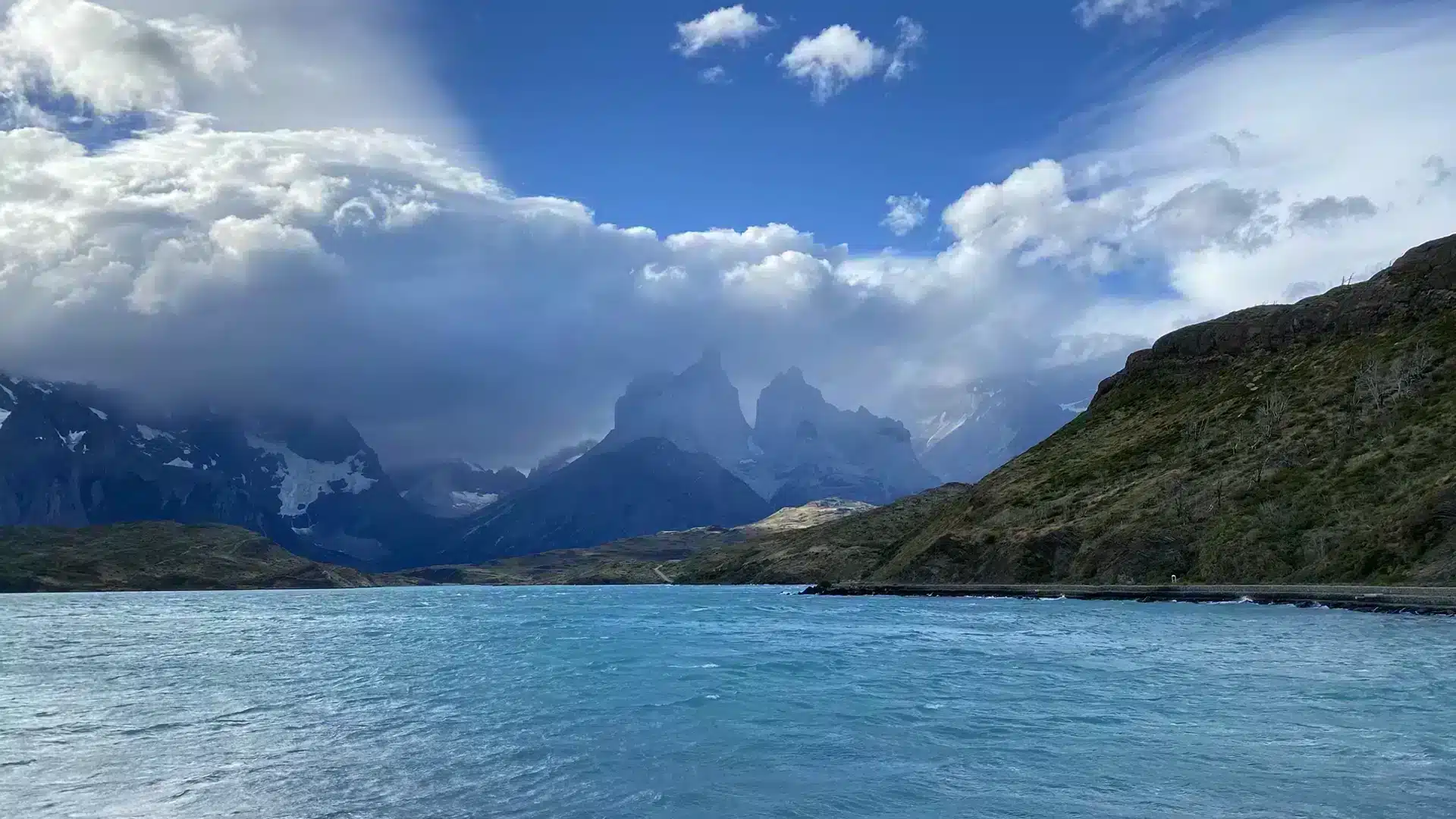
Among its most iconic landscapes is Torres del Paine National Park, with its granite mountains rising like cathedrals, blue-tinted glaciers and turquoise lakes of indescribable beauty. This park, considered one of Chile's and the planet's natural wonders, embodies what Patagonia means: pure, overflowing nature.
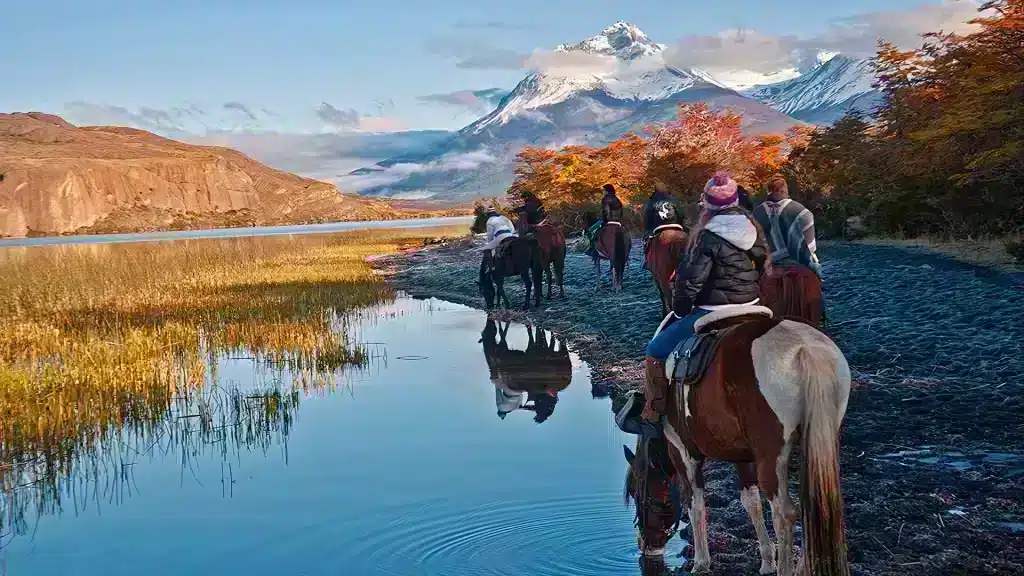
This territory is also a paradise for adventurers. Its trails invite trekking among glaciers and lagoons, the open pampas are ideal for horseback riding, and its waters for kayaking, sailing through channels or enjoying sport fishing. Every activity takes place in settings of matchless beauty, making Patagonia a dream destination for those seeking authentic experiences and connection with pristine nature.


Patagonia for living
Many inhabitants of Chilean Patagonia deeply value the tranquillity and genuine connection with nature that this territory offers. Life here flows at a slower pace, far from the noise of big cities and constant dependence on technology.
However, current reality has transformed this experience. The rise of remote work and increasingly easy access to clean energy such as solar, together with quality satellite internet, have opened the door to a hybrid lifestyle: enjoying isolation and the purity of the landscapes without giving up being fully connected to the world. Today, many families and professionals are leaving cities behind to move to these lands in search of balance, health and well-being.
In Patagonia it is possible to find that unique combination: being far away but never disconnected. Here, pure air, clear skies and untamed nature become part of daily routine, inspiring a healthier, simpler and more authentic life.
Living in Patagonia is not just a change of place; it is an experience of personal transformation. Those who choose these lands discover that the beauty of its landscapes and the strength of its natural environment invite them to reinvent the way they inhabit the world.
Produncan Lands, through its real estate agency, invites you to take that step: explore Patagonia and find in it not only a home, but a space where connection with nature becomes inspiration, harmony and a new way of living each day.
Why invest in Chilean Patagonia
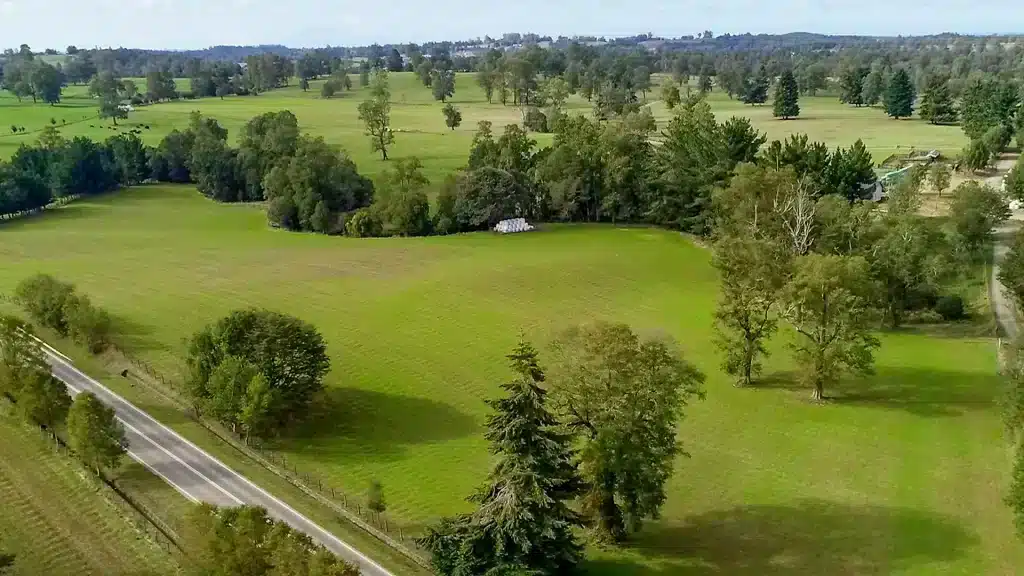
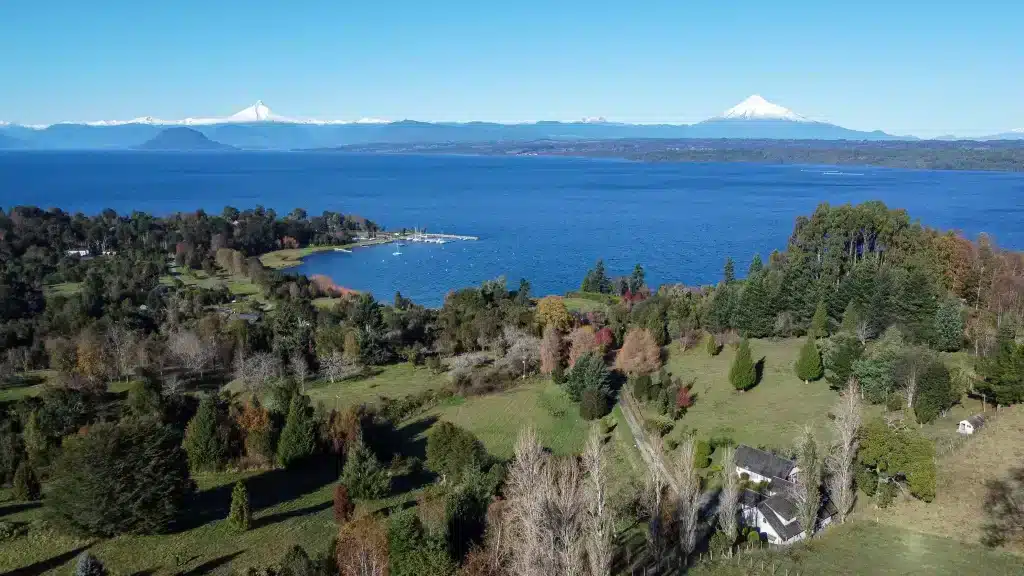


Chilean Patagonia has gone from being a remote, admired territory to a real focus of global interest: to conserve, invest and, for many, find a refuge. That combination of intact landscape, natural resources and relatively low population density has sparked growing demand, from major investors to people seeking security, quality of life and shelter from global uncertainty. Today, from institutional funds to families who want "a place of their own", everyone is looking south with the intention of being part of that unique territory.
It is important to nuance: some attribute to Patagonia qualities as a refuge in extreme scenarios, from economic instability to geopolitical risks, and some narratives even suggest climatic advantages in hypothetical extremes. That belongs to the realm of speculation and should not be taken as the sole reason for investment. What is solid is this: compared with similar regions in other countries, land in Patagonia is often more accessible; many investors consider it several times more affordable than options in North America or New Zealand, and that, together with its growing demand, drives expectations of appreciation.
Why invest in Patagonia? In broad terms, the practical reasons repeated by on-the-ground players are:
Natural and energy resources. The region concentrates potential in fishing, managed forests, freshwater, marine resources and opportunities for renewable energy (small-scale hydro, wind, emerging projects such as green hydrogen). In addition, conservation and sustainable forest management open avenues for ecosystem services markets and carbon credits.
Tourism and experience. Patagonian landscapes attract high-value nature tourism: trekking, lodges, experiential tourism and sport fishing. Well-located, sustainable projects often achieve good returns and local job creation.
Infrastructure and connectivity under development. Public and private initiatives have been improving roads, regional airports and ports, which reduces logistical cost and facilitates access to productive or tourist projects.
Diversification and asset protection. Many investors see land as a real asset that protects against inflation and financial market volatility; Patagonia, with its scarce character and growing demand, fits that logic.
Attractive relative costs. In comparative terms, land and projects in Patagonia have cost, and in many cases still cost, less than similar alternatives in temperate, high-international-demand countries, which facilitates the entry of capital.
Institutional framework and stability. Chile offers a recognizable institutional framework for investment: macroeconomic stability, foreign investment regulation and promotion agencies that facilitate procedures and contact with authorities.
That said: investing in Patagonia is not a blank cheque. There are also risks and limitations that every investor must consider: distance and logistics, costs of enabling services (water, electricity, roads), demanding environmental regulation (protection of native forests, wetlands and habitats), water rights, presence of indigenous territories and the need for sectoral permits (SAG, SEIA, municipalities). Appreciation exists, but it comes with timelines, procedures and real operational risks.


If you are considering investing, these are prudent, recommended steps:
- Initial assessment and market study: identify opportunities, compare prices and understand local and tourist demand.
- Legal and technical due diligence: title study, verification of water rights, easements and on-site inspection.
- Environmental assessment and permits: determine whether the project requires an environmental impact study (SEIA) or sectoral authorizations.
- Investment structure: define whether it will be direct investment, creation of a Chilean company (SpA/Ltda.), or partnership with local partners.
- Business plan and financial projection: include access costs, services, works and payback periods.
- Relationship with communities and regulators: social licence and regulatory compliance are essential in rural projects or territories with indigenous presence.
At Produncan Lands we accompany the entire process. We offer comprehensive support that includes searching and filtering land, coordinating technical inspections, managing title studies and verification of easements, advice on water rights and SAG regulations, support in structuring companies in Chile, connection with specialists for environmental assessments and, when appropriate, design of tourist or productive projects focused on sustainability and long-term value creation. We also facilitate contact with public offices (InvestChile, municipalities, regional offices) and with trusted local advisors (lawyers, surveyors, engineers).
Investing in Patagonia can be a powerful opportunity if approached with planning, expert advice and respect for the territory. If you are interested in exploring options or want an initial assessment of a property or project, at Produncan Lands we can prepare a tailored evaluation and guide you step by step.
Tax incentives for investing in Patagonia


Here is a summary of the main tax and fiscal incentives in Chile that apply to investments in Patagonia or in extreme zones in the south of the country, and some points worth verifying. It is always important to confirm that the benefit is still in force, as some are subject to time limits, specific regulation or draft legislation.
1. Extreme Zones Law / Labour bonus
Law No. 19,853 allows a 17% bonus on the taxable remuneration of workers domiciled and permanently working in extreme zones, including the provinces of Palena and Chiloé, Aysén, Magallanes, etc. This applies to employers who hire in these zones.
2. DFL 15 investment tax credit / Extreme Zones Development Fund
This decree offers incentives for productive investment in extreme zones, allowing recovery of a percentage of the investment through tax benefits such as tax credit or other mechanisms. It is granted to companies that invest in fixed assets (buildings, installations, machinery, etc.). The benefit is offset against First Category Tax (corporate tax in Chile).
3. Tax credit for investments in far southern regions
Specific regimes allow companies that invest in fixed assets, services or other activities in the southern regions (and in the province of Palena, etc.) to offset part of that investment against their first category tax (corporate income tax). For example, there is current legislation that grants these benefits until 2035 for regions XI (Aysén), XII (Magallanes) and the province of Palena.
4. Exemption or tax credit for import of capital goods
In some cases, projects involving a certain minimum investment (e.g. US$5 million) may apply for VAT exemption or tax credit on imported capital goods, which reduces the cost of equipment or infrastructure.
5. Incentives for innovation / R&D
If your project has an innovation component (e.g. in products, processes or services linked to sustainable tourism, biotechnology, clean energy, etc.), you can take advantage of tax credits and incentives offered by public programmes such as those of InvestChile.
6. Sector-specific incentives
Rural tourism projects may qualify for special incentives if they meet certain requirements. In renewable energy, community or rural infrastructure projects can access additional benefits promoted by the state, many of them tax-related (e.g. green hydrogen bill).
Aspects to consider / limits
- Some benefits have specific validity periods: there are incentives active until 2025, or with credit recovery in later years.
- The investment must actually be located in areas recognised as extreme, which includes verifying jurisdiction and specific province/region.
- Some incentives have caps; for example, the labour bonus has a cap on taxable remuneration (a maximum monthly amount that can be subsidized).
- You must comply with all legal requirements, submit projects, environmental permits where applicable, municipal authorization, etc., to qualify.
The incentives described apply to both Chilean and foreign investors, provided the investment is made through a legal entity (company incorporated in Chile) or, in some cases, directly as an individual with a Chilean tax number (RUT).